
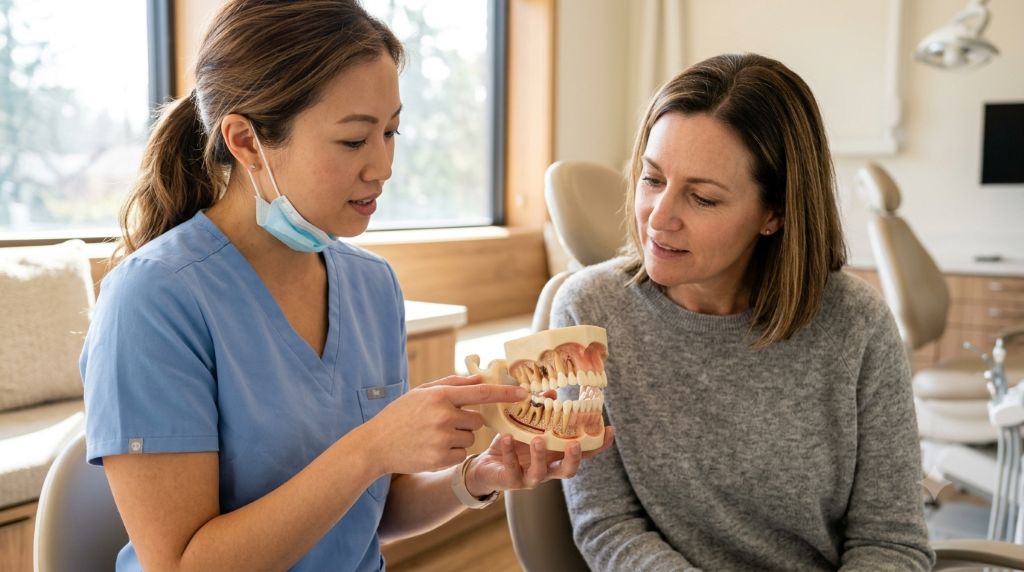
Losing a tooth does not always mean treatment ends once it is removed. The jawbone that once supported the tooth no longer receives the same stimulation from chewing, so the bone around the empty socket can gradually shrink and change. Sometimes the change is minor, but in other cases, it can affect future tooth replacement or the shape of the area.
This is where bone preservation may be worth considering. It is not something every patient needs after an extraction. The decision depends on factors such as the location of the tooth, the condition of the surrounding bone, the possibility of a future dental implant, and the condition of the extraction site. In this blog, we will explore when bone preservation may be recommended, what the procedure involves, and what patients in Phoenix, AZ, should know before making a decision.
What is Bone Preservation After Tooth Extraction?
An extraction leaves more than a space where the tooth used to be. The surrounding bone can gradually become thinner because it no longer has a tooth root to support it. For patients having tooth extractions in Phoenix, bone preservation may be discussed when there is a reason to maintain as much of that natural bone as possible.
The process usually involves placing a bone graft material into the cleaned extraction socket. Depending on the condition of the site, the dentist may also use a membrane to protect the graft while the area heals.
Rather than replacing the missing bone outright, the graft gives the body a structure around which new bone can develop. This can help maintain the shape of the extraction site and may be useful if a dental implant or another restoration is being considered later.
When is Bone Preservation Recommended After Tooth Extraction?
There is no single rule that says everyone needs bone preservation after an extraction. A dentist evaluates the individual situation before recommending it.
1. When a Dental Implant May Be Needed Later
If you may replace the missing tooth with an implant, preserving the socket can be worth considering.
Dental implants need enough healthy bone for support. Bone preservation may help:
- Maintain more of the existing bone.
- Support future implant planning.
- Reduce the chance of needing extensive bone grafting later.
It cannot prevent all bone loss or guarantee that additional treatment will not be needed.
2. When the Tooth is in a Visible Area
The front teeth are surrounded by bone and gum tissue that contribute to the appearance of your smile. Bone loss in these areas can sometimes change the shape of the gum.
Preserving the site may therefore be considered when maintaining the natural contour of the area is important.
3. When the Existing Bone is Thin
Some people naturally have less bone around certain teeth. If the supporting bone is already thin, more noticeable changes may occur after extraction.
Your dentist may recommend preservation when the shape and condition of the socket suggest that maintaining the available bone would be beneficial.
4. When You Have Not Decided How to Replace the Tooth
You may not be ready to decide between an implant, bridge, or another replacement option. Preserving the extraction site can help keep some future treatment options available while you take time to make that decision.
5. When Infection Has Affected the Bone
An infection may damage the bone surrounding a tooth before extraction. The dentist first needs to remove the tooth and clean the area thoroughly.
Bone preservation may still be possible, but the timing and technique depend on how healthy and suitable the socket is after the infection has been addressed.
Interesting Read: When to Replace a Missing Tooth After Extraction?
What Does the Bone Preservation Procedure Involve?
The procedure is generally performed during the extraction appointment or soon afterward, depending on the circumstances.
Step 1: Examination and Planning
The dentist evaluates the tooth, surrounding bone, gums, and overall condition of the area. Dental X-rays may be used to understand the root structure and bone anatomy.
Step 2: Tooth Removal
The tooth is carefully removed while the dentist works to protect the surrounding tissues as much as possible.
Step 3: Cleaning the Socket
The extraction socket is examined and cleaned. Any remaining unhealthy tissue or debris needs to be addressed before the grafting material is placed.
Step 4: Placement of Grafting Material
A suitable bone grafting material is placed inside the socket. Different materials may be used depending on the patient’s needs and the dentist’s treatment plan.
Step 5: Protection of the Area
In some cases, a membrane or other protective material may be used. The dentist may also place sutures to help keep the site protected during early healing.
Step 6: Healing and Follow-Up
The area is allowed to heal. Follow-up appointments help the dentist monitor the site and determine when the next stage of treatment can safely begin.
Benefits of Bone Preservation After Tooth Extraction
The main purpose of bone preservation is to reduce the amount of bone shrinkage that can occur after extraction. Potential benefits include:
- Helping maintain the shape of the jawbone
- Supporting future dental implant planning
- Reducing the severity of bone changes after extraction
- Helping preserve the contour of the gum in selected areas
- Keeping future tooth replacement options more flexible
It is important to understand that bone preservation cannot completely prevent natural bone remodeling. Some change in the extraction area is still expected.
Suggested Read: How Modern Dentistry Makes Tooth Extractions Easy
Does Wisdom Teeth Removal Require Bone Preservation?
Not every extraction requires socket preservation. Wisdom teeth are a good example.
When wisdom teeth are removed, the long-term plan is usually different from the removal of a tooth that will eventually be replaced with an implant. In many cases, there is no reason to preserve the socket for future tooth replacement.
If you are considering wisdom teeth removal, your dentist or oral surgeon can explain whether bone preservation has any role in your particular case.
For younger patients, the best age to remove wisdom teeth is also not determined by age alone. The position of the teeth, symptoms, root development, available space, and potential future problems all matter.
How Can You Support Healing After Bone Preservation?
Good aftercare can support normal healing following extraction and bone preservation.
Follow these basic steps:
- Follow your dentist’s instructions carefully.
- Avoid touching the surgical area unnecessarily.
- Do not smoke or use tobacco during the recommended healing period.
- Eat softer foods as advised.
- Keep your mouth clean without disturbing the healing site.
- Take prescribed or recommended medications as directed.
- Attend follow-up appointments.
Call your dental office if you develop increasing pain, significant swelling, persistent bleeding, fever, or another symptom that concerns you.
Bone Preservation Care at Gentle Hands Family Dentistry
Bone preservation is not needed after every extraction. The decision depends on the tooth, surrounding bone, and whether future treatment, such as an implant, may be needed. At Gentle Hands Family Dentistry, the extraction site is carefully evaluated to determine whether preservation may benefit your long-term dental care.
What You Can Expect:
- Individual Assessment: The tooth, gums, surrounding bone, and extraction site can be evaluated to determine what may be appropriate.
- Future Treatment Planning: If you may consider a dental implant later, preserving the available bone can be discussed before the extraction.
- Clear Guidance: You can learn what to expect from the procedure, healing process, and possible alternatives.
- Comfort-Focused Care: The goal is to make the extraction and follow-up process as comfortable and straightforward as possible.
If you are searching for an emergency dentist in Phoenix, Gentle Hands Family Dentistry can assess the immediate problem and explain your next steps, including whether preserving the bone could be helpful for your future dental care.
Conclusion
Some bone loss after a tooth extraction is a normal part of healing, but preserving the socket may help maintain the shape and volume of the area when future treatment, such as a dental implant, is being considered. Still, not every extraction needs bone preservation, so the decision should depend on your specific situation.
If you are preparing for an extraction in Phoenix, ask your dentist what is likely to happen after the tooth is removed and whether preserving the area would be worthwhile. Having that conversation before treatment can help you understand your choices and plan with greater confidence.
FAQs
1. Is bone preservation needed after every tooth extraction?
No. It depends on the tooth, the condition of the surrounding bone, and whether future treatment, such as a dental implant, may be planned.
2. When should bone preservation be performed?
It is commonly performed at the time of tooth extraction, although the timing can vary depending on the condition of the extraction site and the treatment plan.
3. Does bone preservation prevent all bone loss?
No. Some natural bone remodeling occurs after an extraction. Bone preservation is intended to help limit the amount of bone loss and maintain the shape of the site.
4. Can I get a dental implant without bone preservation?
Sometimes. Whether an implant can be placed without additional grafting depends on the amount and quality of bone available when the implant is planned.
5. How long does it take for the area to heal?
The gum may heal within weeks, but deeper bone healing takes longer. The exact timeline depends on the extraction site, grafting procedure, and individual healing response.


